Marble, with its timeless elegance and natural beauty, is a popular choice for countertops, floors, and other surfaces in many homes. However, despite its durability, marble is susceptible to water damage if not properly cared for. In this article, we'll explore what water damaged marble looks like, the causes behind it, and most importantly, how you can protect your marble from water to maintain its pristine appearance for years to come.
Understanding Water Damage in Marble
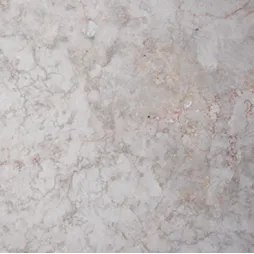
Water damaged marble often exhibits several visible signs that indicate deterioration. One of the most common indicators is etching, which appears as dull, light-colored spots on the surface of the marble. These spots are caused by the acidic nature of water, which can react with the calcium carbonate in marble, resulting in a loss of shine and smoothness.
Additionally, water damage can manifest as staining, where the marble absorbs water along with any accompanying dirt or impurities, leaving behind unsightly marks or discoloration. These stains can range from light water spots to deeper, more pervasive discoloration, depending on the severity of the damage.
Causes of Water Damage in Marble
Several factors contribute to water damage in marble surfaces. Improper sealing or lack of sealing altogether leaves the marble vulnerable to water penetration, allowing liquids to seep into the stone and cause damage over time. Spills of acidic substances such as citrus juices, vinegar, or even household cleaners can exacerbate the problem by etching the marble surface upon contact.
Furthermore, prolonged exposure to moisture, particularly in areas such as bathrooms or kitchens, can lead to water pooling on the surface of the marble, increasing the risk of staining and etching. Even something as seemingly innocuous as leaving a wet glass on a marble countertop can result in water rings or marks if not promptly addressed.
Featured content:Ultimate Guide to PPGI Steel Coil SelectionUnleashing the Benefits of Using Prepainted Galvalume Steel CoilSay goodbye to drywall cracks with Pe Joint Tape!Protecting Marble From Water Damage
Ultimate Guide to Epoxy Coated PC Strand: Benefits, Usage, and More!Unlocking Strength: The Ultimate Guide to 7-Strand Steel Cables for Heavy-Duty SolutionsBenefits of Using Anti-Corrosion Pipe in Industrial ApplicationsHow to Select the Right API 5L Line Pipe?To safeguard your marble surfaces against water damage, proactive measures are essential. One of the most effective ways to protect marble is by applying a high-quality sealant specifically formulated for natural stone. Sealants act as a barrier, preventing water and other liquids from penetrating the surface while still allowing the stone to breathe.
Regularly sealing your marble countertops, floors, and other surfaces helps maintain their integrity and resilience against moisture-related issues. It's crucial to follow the manufacturer's recommendations regarding sealant application frequency, as well as proper cleaning and maintenance routines to prolong the life of your marble.
In addition to sealing, practicing preventive maintenance habits can further reduce the risk of water damage. Always use coasters or mats under glasses, bottles, and other items to prevent water rings or spills. Quickly wipe up any spills or splashes with a soft, absorbent cloth to minimize prolonged contact with the marble surface.
Conclusion
Water damaged marble can detract from the beauty and elegance of your home's interior, but with the right knowledge and care, it's entirely preventable. By understanding the signs of water damage, addressing the underlying causes, and implementing proactive protective measures, you can preserve the natural allure of your marble surfaces for years to come.
Featured content:The Benefits of Using 0.5 Mm Gi Sheet: Why It's Worth the InvestmentA Closer Look at the Various Types of Chicken Mesh for ...5 Inch Work?Aluminum vs. Butyl Rubber: Which Sound Deadening Tape Wins?The Ultimate Guide to Hot Dipped Galvanised CoilWhy Use Anti Corrosive Primer for Protection?The Ultimate Guide to High Tensile Steel










Comments
Please Join Us to post.
0